
Thoughts
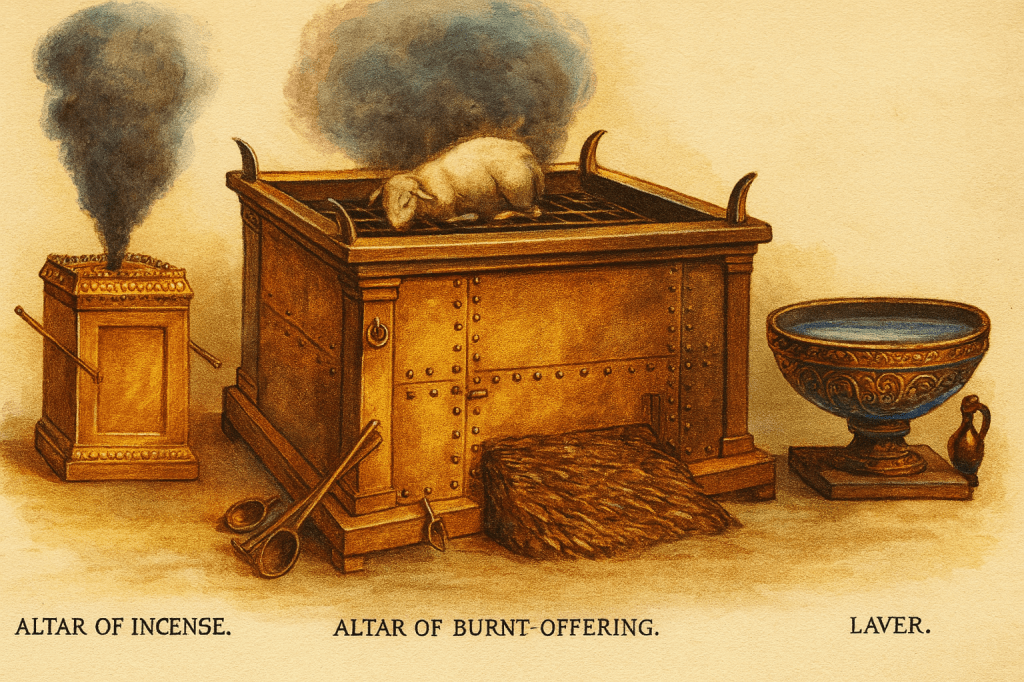
Leviticus 1 Burnt Offerings
olah (עֹלָה) comes from the root עלה (alah), which means “to ascend” or “go up.” We see this first in Genesis 8:20 when Noah offered burnt offerings
Can be from herd, flock, or birds (but specific animals below)
Males without blemishes
Offered voluntarily
Guilt transferred to animal
Animal killed before the Lord
Priests will throw blood on sides of altar and burn animal
Bulls are skinned/flayed but not goats/sheep
Birds must be turtledoves or pigeons
Birds get their heads wringed off and squeezed by altar
No one eats it
Leviticus 2 Grain Offerings
מִנְחָה (minchah) means “gift,” “offering,” or “tribute” so technically no word for grain used here in the name in Hebrew but it is implied since it mentioned flour right after.
These are prepped at home
Uncooked flour offering: Fine flour with oil and frankincense
Cooked offering: oven-baked cakes or wafers with oil (v. 4) or griddle-baked or pan-fried offerings (v. 5–7)
Part is burned, priests eat rest
NO yeast or honey (might ferment) unless used as firstfruits offering – but not allowed on altar
Season with salt (mentioned 3x!) You shall season all your grain offerings with salt. You shall not let the salt of the covenant with your God be missing from your grain offering; with all your offerings you shall offer salt.
Firstfruit offering: fresh ears, roasted with fire, crushed new grain with oil and frankincense
Leviticus 3 Peace Offerings
שֶׁלֶםזֶבַח שְׁלָמִים (zevach shelamim) means “sacrifice of peace”. Signifies fellowship and communion
I was a bit confused on burnt vs peace offerings. Seems that burnt offerings symbolize total surrender to God, while the peace offering was shared in a meal to celebrate fellowship or gratitude with God.
Herd, Sheep, Goats: can be male or female without blemish
Sheep have an additional part offered: the fat tail, considered a delicacy and offered wholly to God.
Lay hands on it and killed at tabernacle
Sprinkle blood at altar and burn fat
“It shall be a statute forever throughout your generations, in all your dwelling places, that you eat neither fat nor blood”
Questions
It says God spoke to Moses in the tent of meeting – was this the old tent of meeting or the new tabernacle?
Why turtledoves and pigeons for bird burnt offerings?
What was frankincense for?
Were offerings given in Goshen?
Did they keep track of who gave offerings?
Did it smell really bad near tabernacle or really good- I guess aroma was pleasing to the Lord so more like a bbq than dead animals.
Application
Sacrifices like these feel so distant and foreign in today’s world, especially now that we have the ultimate sacrifice already made through Jesus. For the Israelites, staying in right relationship with God meant constant offerings like the ones seen here in Leviticus. They had to follow detailed rituals to seek forgiveness or approach God’s presence. But today, access to God is immediate and free. I don’t think I pause enough to truly appreciate that. I don’t have to worry about whether I brought the right offering or followed every step perfectly. Some of these chapters in Exodus and Leviticus may seem mundane, but they help me realize just how much was required then compared to what I now receive freely through Christ.
 Jo Reads The Bible
Leave a comment