
Thoughts
Exodus 29
Another chapter where I have to write it out to visualize it….a lot is given in this chapter!
Order of initial consecration: Washing, dressing, anointing, sin offering, burnt offering, sprinkling of blood and oil, wave offering, eating
Sin offering: Young bull to atone for sin and purify altar .
Burnt offering: Ram – pleasing aroma to God
Wave offering: Second ram to consecrate priests
Ordination will last 7 days – includes daily bull sin offering.
Daily sacrifices: 2 lambs, morning and night with grain and drink offering.
Phew!
Exodus 30
Acacia wood (shittim, שִׁטִּים) is used a lot in Exodus – acacia trees can grow in arid conditions like the Sinai desert. It’s also pretty dense and durable.
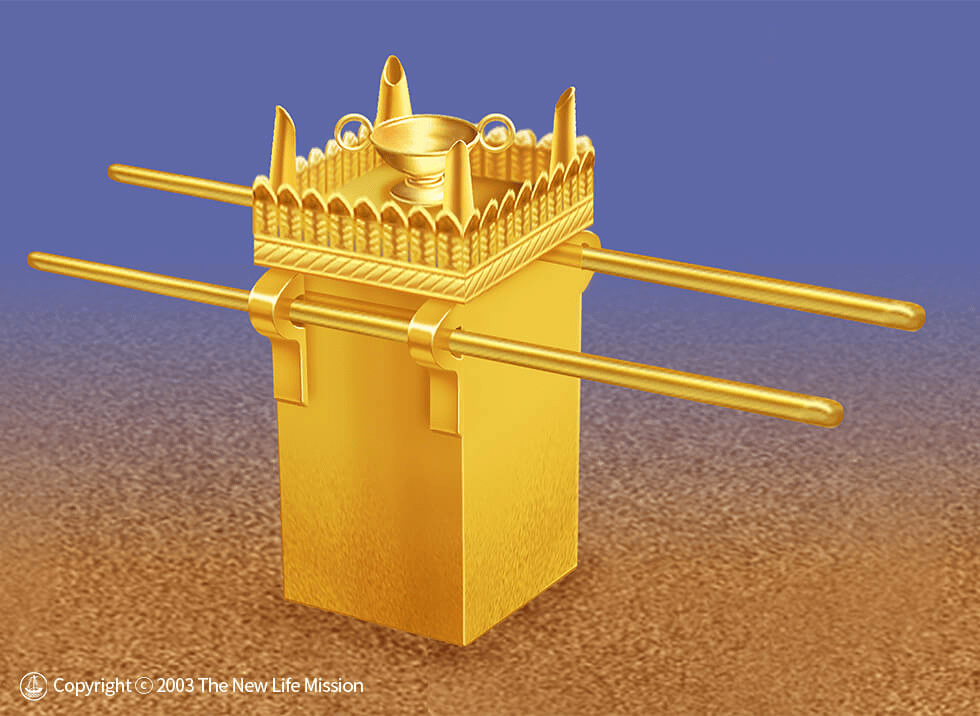
Horns of the altar: where blood is applied
In 1 Kings 1:50, Adonijah, fearing for his life, ran to the altar and grabbed the horns to beg for mercy
Ark of the Testimony = Ark of the Covenant
Incense to be burned morning and night – no unauthorized or “strange” incense! אֵשׁ זָרָה (esh zarah) literally “strange fire”. We see unauthorized fire/incense in Leviticus 10 with Aaron’s sons.
When the Israelites were counted, each person (over 20) had to give a small offering (half a shekel) as a sign that their life belonged to God. David ordered a census but he did not require the ransom offering and a plague broke out, killing 70,000 people (2 Samuel 24 and 1 Chronicles 21)
I wondered why the basin was bronze, but realized it was outdoors
Ingredients of anointing oil: 500 shekels of myrrh, 250 shekels of fragrant cinnamon, 250 shekels of fragrant cane , 500 shekels of cassia
Exodus 31
Can you imagine being chosen for crafting of the tabernacle! And to be filled with Spirit of God in all manners of workmanship.
Bezalel (בְּצַלְאֵל) means “in the shadow of God” or “under God’s protection.”
He could be the grandson of same Hur that held up Moses’ arms in Exodus 17
Oholiab (אָהֳלִיאָב) means “Father’s tent” and his dad Ahisamach (אֲחִיסָמָךְ) means “Brother supports”…not sure what to make of that but found it interesting!
After all the instructions that Israel will need to work on, God reminds them TO REST! He cares that we are rested and restored <3
Questions
Jesus was the ultimate sin offering, but what can we offer to God as a pleasing aroma today?
“Whoever makes any like it, to smell it, he shall be cut off from his people.” What would happen if someone made the oil today? I assume still sacred?
Did the priests have to go through a training where they could practice before the real thing? I would be so anxious that I’d forget a step. Or was the 7 days beforehand like a bootcamp.
The tablets were written with the finger of God. What did God’s handwriting look like??? What font is God’s font?
Application
How can one apply these technical instructions to everyday life? If you look deeper into the text, you begin to see more of God’s character. On the surface, it might seem like He is just demanding and particular about furnishings and rituals. But what this actually reveals is a holy God who desires closeness with His imperfect, sinful people. The priests wore on their turbans the words “kadosh le YHWH” Holy, belonging to the Lord. Today, we don’t need blood, guts, or oils to be made holy. We only need the gift of one sacrifice. I hope I am worthy of wearing kadosh le YHWH.
 Jo Reads The Bible
Leave a comment